
A new optical device to measure snow albedo
Charlie Zender (UC Irvine) and Florent Dominé (CNRS) discuss their research into black carbon's effect on snow albedo.

Charlie Zender (UC Irvine) and Florent Dominé (CNRS) discuss their research into black carbon's effect on snow albedo.
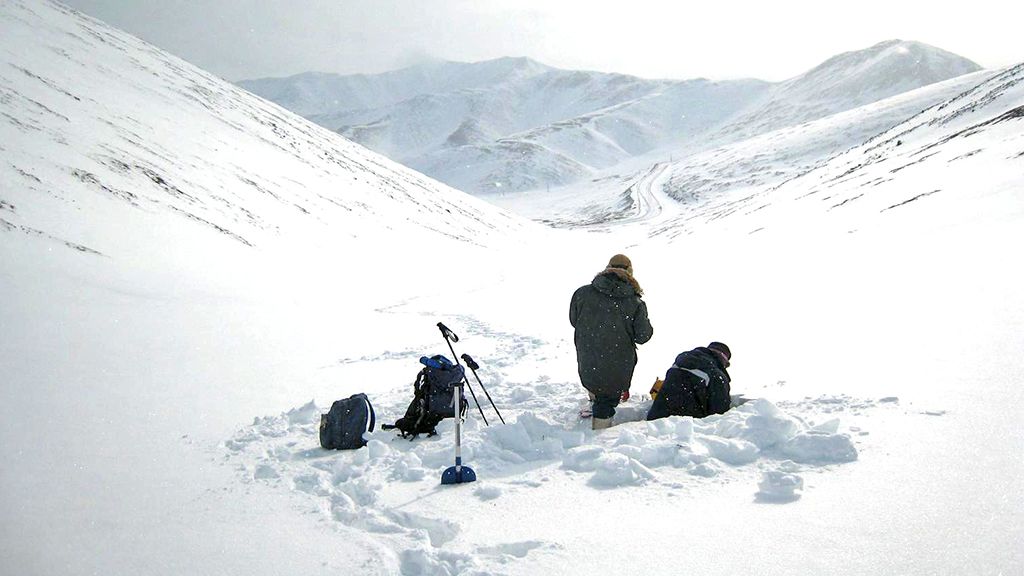
Stephen Warren from the University of Washington collects Arctic snow samples to determine how much black carbon affects snow albedo.
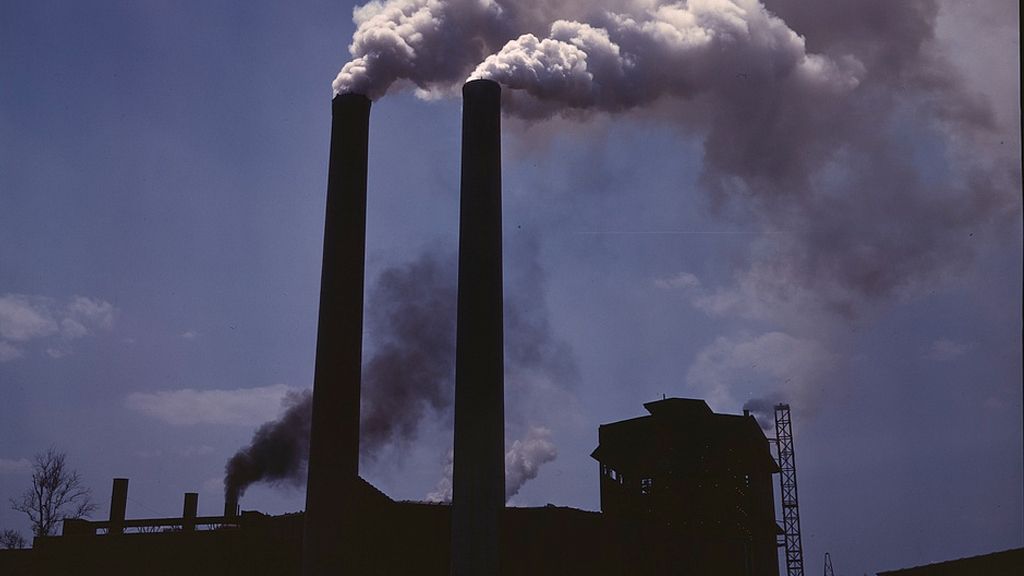
Sooty particles from fossil fuel combustion, known as black carbon, play a significant role as short-term climate forcers, as they absorb solar radiation, and contribute to the melting of snow and ice.
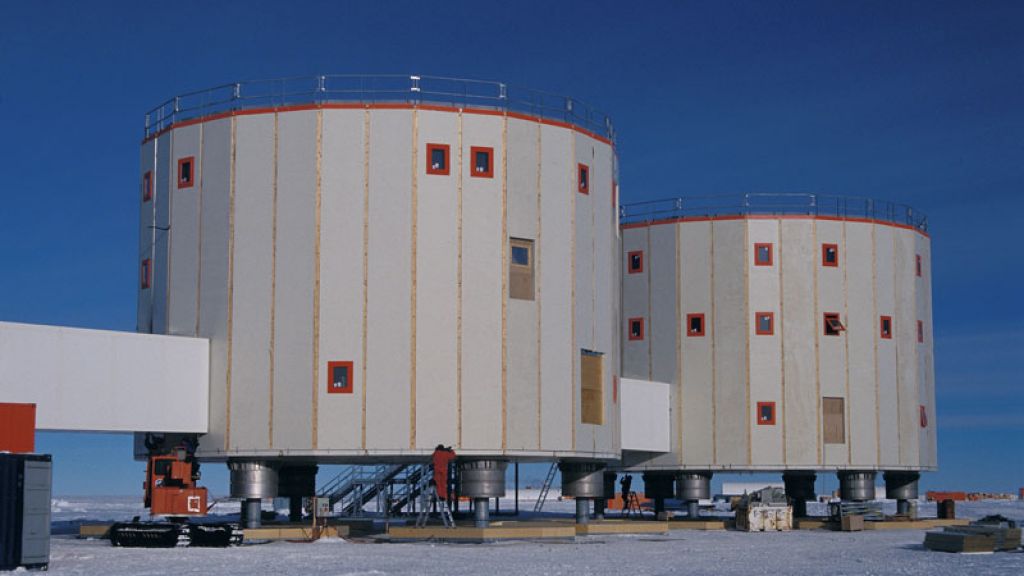
SciencePoles has a look at the Antarctic research stations being built during the International Polar Year 2007-2008.
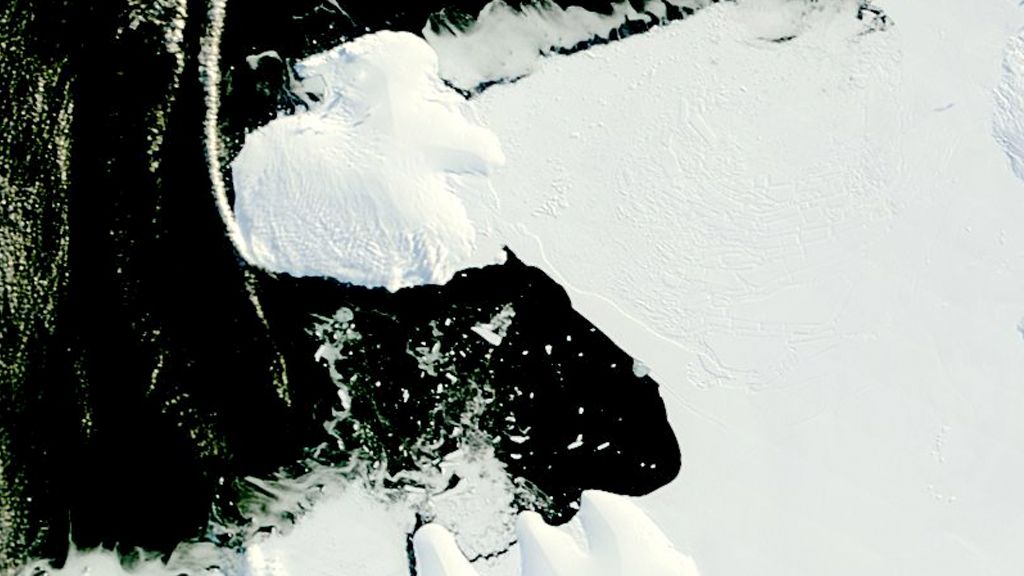
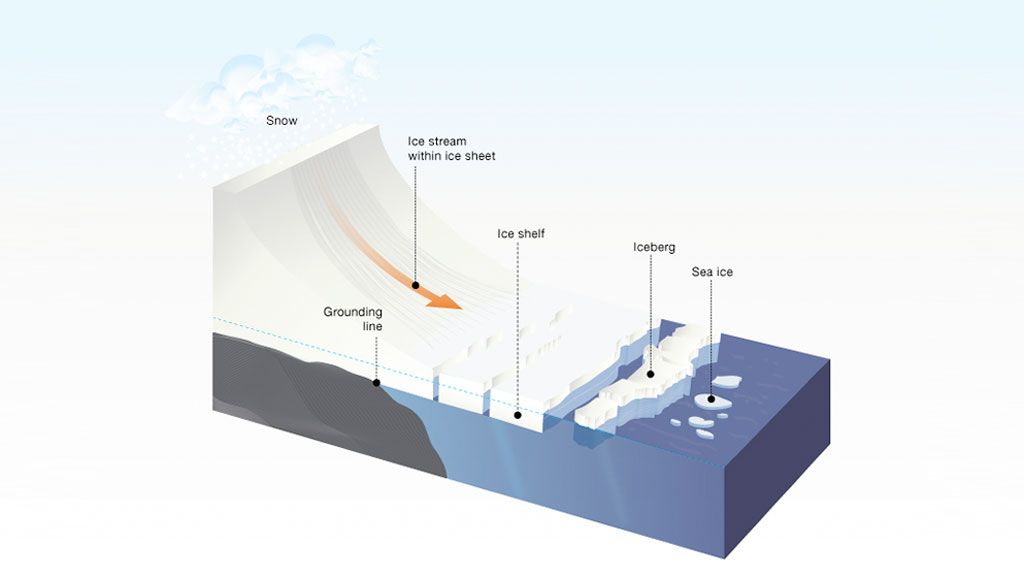
Angelika Humbert from the University of Münster explains the March 2008 break-up of the Wilkins Ice Shelf.
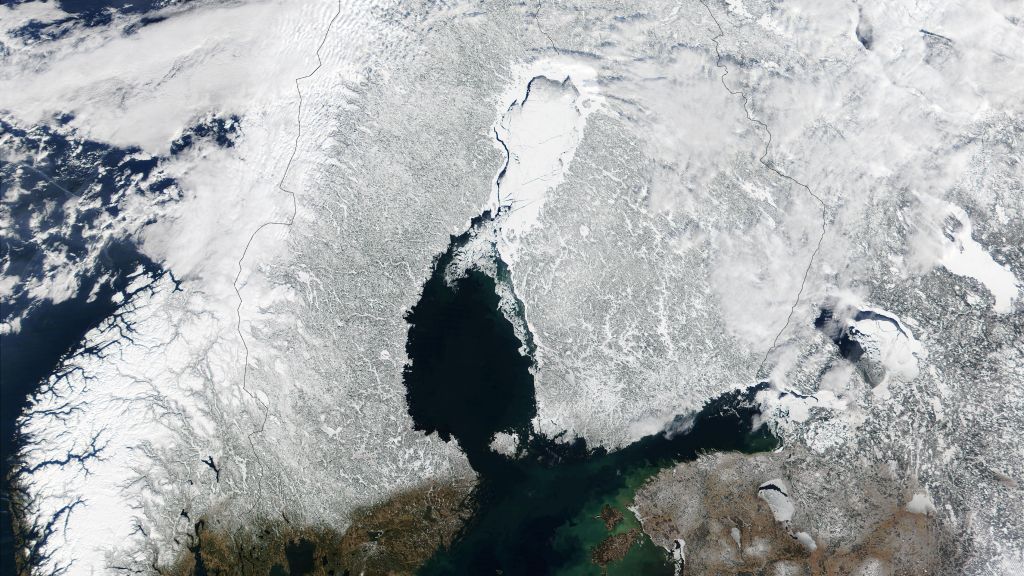
Precipitation over the high northern latitudes is expected to increase during the 21st century, according to the Assessment of Global Precipitation, published by the World Meteorological Organization.
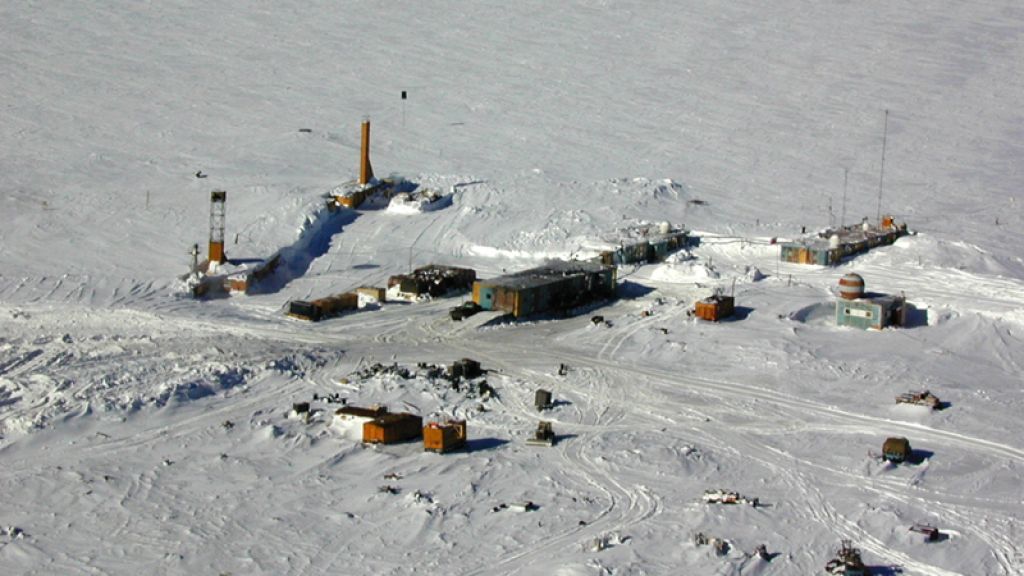
Cynan Ellis Evans discusses the fascinating world of subglacial lakes that lie deep beneath the surface of the Antarctic Ice Sheet.
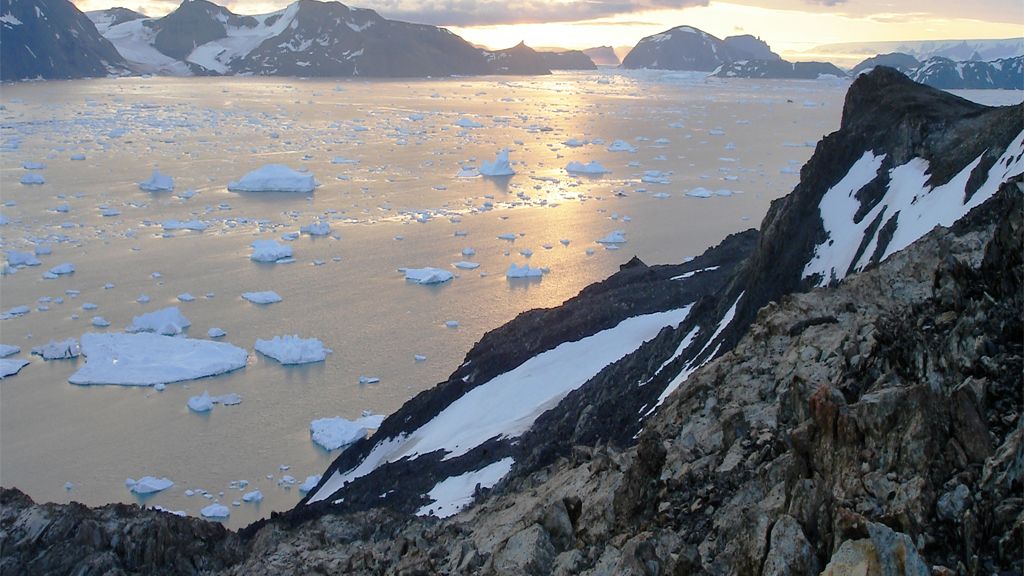
Traces left by microorganisms that lived a very long time ago provide clues about past climates.
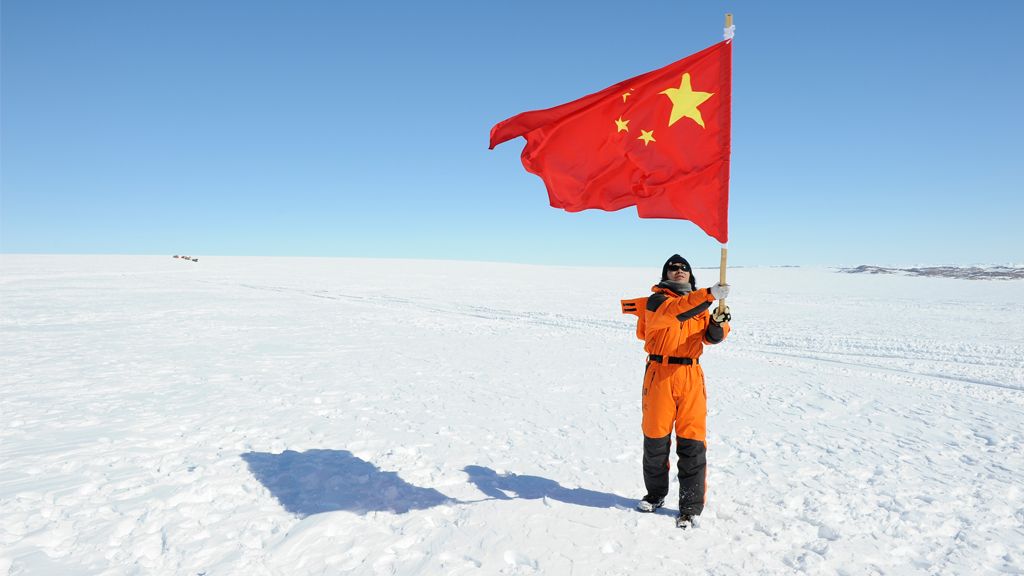
Professor Yang Huigen, the new Director of the Polar Research Institute of China (PRIC) responsible for carrying our scientific research in the Polar Regions, discusses China's polar research ambitions.
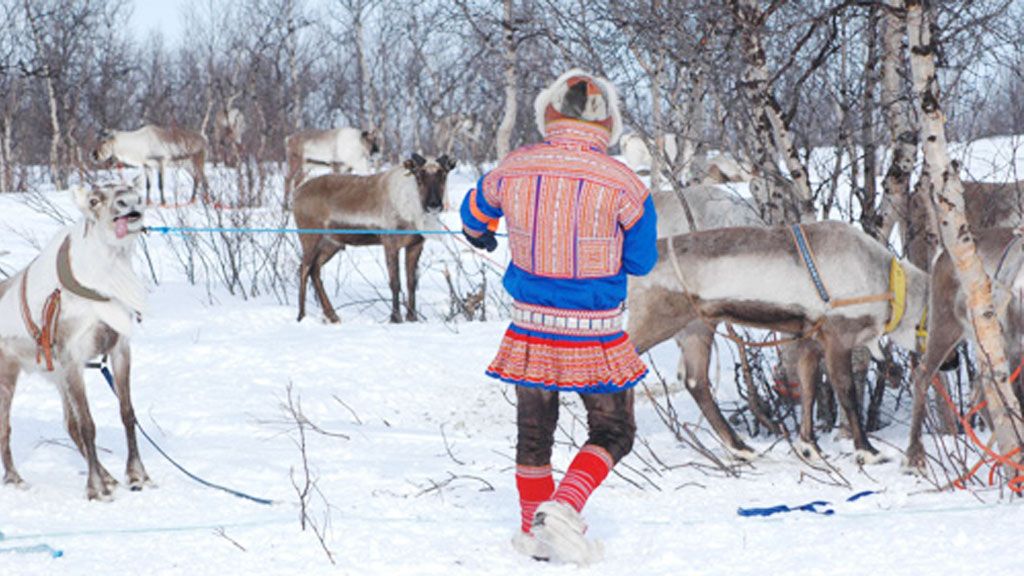
The IPY EALÁT project integrates satellite observations and indigenous knowledge to help reindeer herders in the Arctic adapt to changes in climate that can affect their reindeer herds.
Frank Pattyn from the Université Libre de Bruxelles (ULB) explains how useful to science the new Princess Elisabeth Antarctica research station being built in the Dronning Maud Land will be.
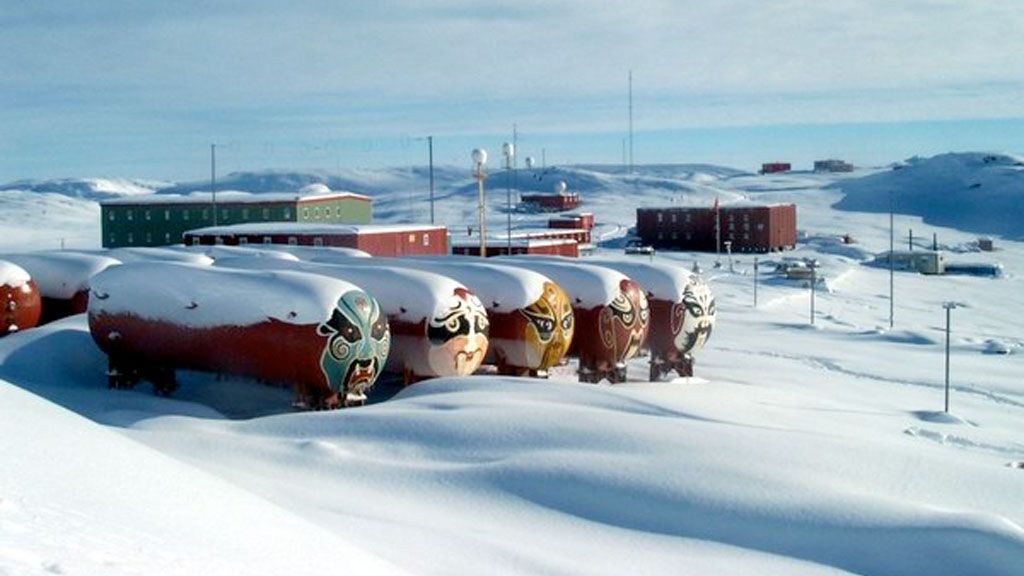
Qu Tanzhou, Director of the Chinese Arctic and Antarctic Administration (CAA), discusses China's plans for polar research in the coming years.